



.jpg)
.jpg)




EXPOSICOES
o que ja passou por aqui
O corpo sedento e atento caminha em silêncio distâncias desérticas e avista ao longe, no horizonte, água e sombra. Enquanto se aproxima, sente o medo de que aquele oásis seja miragem.
O oásis talvez seja a coisa mais importante e necessária entre o ponto de partida e o destino. O oásis aumenta a probabilidade de chegar ao fim da viagem. Oferece o que todo viajante precisa: reabastecer.
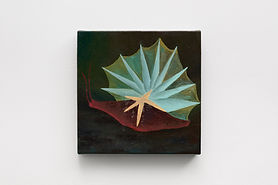
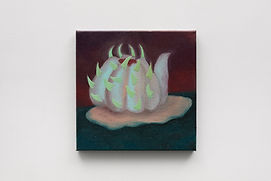
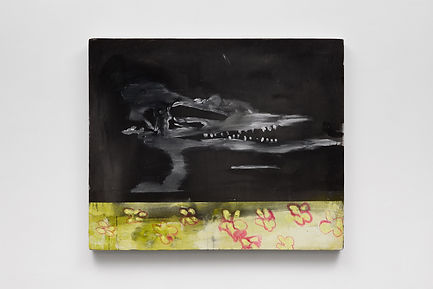
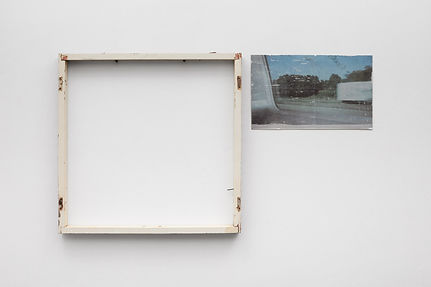
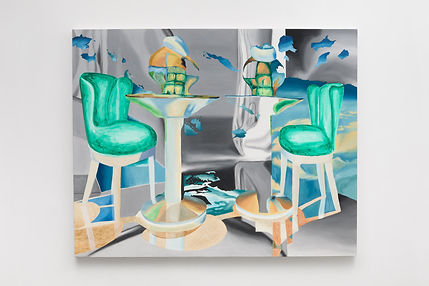
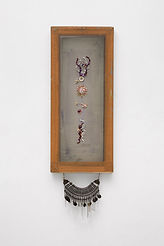
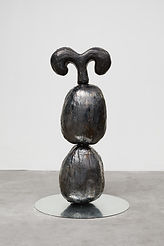
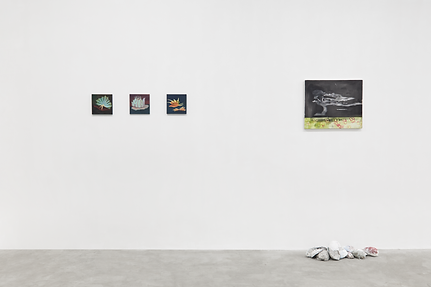
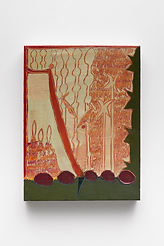
Todo trabalho de arte viaja. A obra precisa viajar. Algumas obras presentes nesta exposição foram trazidas em porta-malas pela Dutra, por pessoas que precisaram fazer paradas para esticar as pernas.
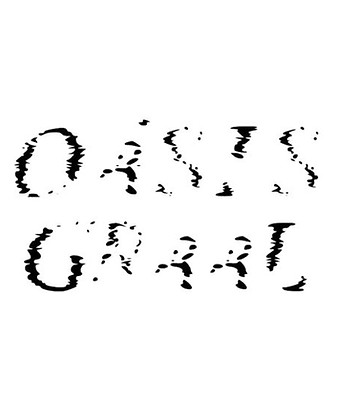
Curioso a rede de paradas rodoviárias presente na BR-116 que liga Rio–São Paulo — e tantas outras que cortam e conectam o país — se chamar Graal. Graal: símbolo de comunhão e desejo inalcançável. Que fonte é essa da qual todo viajante bebe? No Graal provamos as últimas gotas que sobraram das águas dos oásis — e pagamos caro por elas. O oásis é necessidade; o graal, desejo. Entre ambos, o gesto de seguir.
A obra viaja do ateliê para o espaço expositivo. Às vezes, só precisa descer escadas. Em outras, há escoltas, seguros e aeronaves. É preciso cuidar para transportar toda e qualquer obra. Obras devem ser delicadamente embaladas para que cheguem intactas. Às vezes, o desafio de transportar uma obra muito frágil pode ser parte integrante do trabalho.
Essas obras viajaram até aqui enquanto acontece a Bienal de São Paulo — evento que marca a história da arte contemporânea no Brasil e que, em sua 36ª edição, propõe pensar o poema de Conceição Evaristo “Da calma e do silêncio”. A mostra tem como título o verso “Nem todo viandante anda estradas”, que continua: “Há mundos submersos que só o silêncio da poesia penetra.”
Cada obra é uma viagem poética. Alguns artistas descem a territórios interiores, movidos por uma curiosidade quase arqueológica. Lá, entre camadas de memória e desejo, encontram fragmentos de uma mitologia individual — vestígios do que foram, do que sonharam e do que ainda buscam ser. A criação surge dessa escavação: a urgência de transpor ao mundo visível algo que só existia nos subterrâneos do ser. Uma vez fora do porão, a obra pode então viajar.
Ir ao encontro dos oásis, do graal e dos mundos submersos é práxis artística — travessia que exige silêncio e calma, pausa e escuta. O artista parte, bebe da mesma fonte que outros antes beberam, encontra imagens na sombra e retorna para contar o que viu.
Nessa volta, cada obra é uma história compartilhada: uma memória que se reabre ao percurso— acolhem as narrativas, mantêm viva a temperatura do caminho, ajudam a traduzir em palavra o que a obra ainda murmura.
A continuidade da viagem congrega os que criam, os que pensam e os que escutam. Parar para descansar é parte do trajeto. É no descanso que a imagem decanta, que a água volta a brotar.
Na calma, o que parecia miragem se torna presença: a arte como poética do retorno, como lembrança viva do que foi visto no fundo do dentro.
Dizem que existe um espírito do tempo. Talvez seja a água invisível que corre sob os desertos, a mesma que sustenta oásis e graais. Alguns trabalhadores da arte bebem da mesma fonte — não por semelhança, mas por sede. São corpos que caminham guiados por uma promessa, não de chegada, mas de continuidade do processo criativo, a certeza do novo que é eternamente novo, por isso inesgotável de novidade.
Não necessita de cálice, sagrado ou não, para beber do oásis — a concha das mãos é precisa em sua medida.
Virtua3000
The thirsty, attentive body walks silently across desert distances and catches sight, far off on the horizon, of water and shade. As it draws closer, it fears that the oasis may be a mirage.
The oasis may be the most important and necessary thing between the point of departure and the destination. It increases the chances of reaching the end of the journey. It offers what every traveler needs: replenishment.
Every work of art travels. A work needs to travel. Some of the works in this exhibition arrived here in car trunks along the Dutra highway, carried by people who had to stop along the way to stretch their legs.
It is curious that the network of highway rest stops along the BR-116 connecting Rio and São Paulo—and so many others that cross and connect the country—is called Graal. Graal: a symbol of communion and unattainable desire. What is this source from which every traveler drinks? At Graal, we taste the last drops left from the waters of the oases—and pay dearly for them. The oasis is necessity; Graal is desire. Between the two lies the act of continuing.
A work of art travels from the studio to the exhibition space. Sometimes, it only needs to make its way down a flight of stairs. Other times, it requires security escorts, insurance, and aircraft. Every work demands care in transport. Works must be carefully packed so they arrive intact. Sometimes, the challenge of transporting an especially fragile work becomes an integral part of the work itself.
These works traveled here while the São Paulo Biennial was taking place—an event that has shaped the history of contemporary art in Brazil and that, in its 36th edition, proposes a reflection on Conceição Evaristo's poem Da calma e do silêncio. The exhibition takes its title from the verse Nem todo viandante anda estradas, which continues: Há mundos submersos que só o silêncio da poesia penetra.
Every work is a poetic journey. Some artists descend into inner territories, driven by an almost archaeological curiosity. There, among layers of memory and desire, they encounter fragments of an individual mythology—traces of who they were, what they dreamed, and what they still seek to become. Creation emerges from this excavation: the urgency of bringing into the visible world something that once existed only in the underground of the self. Once it leaves the basement, the work can begin its journey.
Seeking the oasis, the Graal, and the submerged worlds is artistic praxis—a passage that demands silence and stillness, pause and listening. The artist sets out, drinks from the same source that others have drunk from before, finds images in the shade, and returns to tell what was seen.
On that return, each work becomes a shared story: a memory reopened through the journey. They welcome narratives, preserve the warmth of the path, and help translate into words what the work still whispers.
The continuation of the journey brings together those who create, those who think, and those who listen. Stopping to rest is part of the path. It is in rest that the image settles, that the water begins to flow again.
In stillness, what once seemed like a mirage becomes presence: art as a poetics of return, as the living memory of what was seen in the deepest depths within.
They say there is a spirit of the times. Perhaps it is the invisible water that runs beneath the deserts, the same water that sustains oases and Graal. Some art workers drink from the same source—not because they are alike, but because they share the same thirst. They are bodies that move guided by a promise, not of arrival, but of the continuation of the creative process; the certainty of what is forever new, and therefore inexhaustible in its capacity for renewal.
No sacred chalice—or any chalice at all—is needed to drink from the oasis; the cupped hands are perfectly enough.
Virtua3000